

Our History
A Walk by Faith
1920-1922
Rev. F.H. Davis
Pastor
1922-1926
Rev. John A. Eldridge
Pastor
1926-1932
Rev. W. H. Dickerson
Pasto
1933-1935
Rev. Arthur J. Johnson
Pastor
1936-1962
Rev. Dr. Johnathan Lyle Caston
Pastor
1962-1985
Rev. Dr. Elliot J. Mason
Pastor
1985-1993
Rev. Dr. Dumas A. Harshaw
Pastor
1993-1995
Rev. Eugene Marzette
Interim Pastor
1995-1996
Rev. Ulysses McDonal
Minister In Charge

1996-Present
Rev. Alvin Tunstill Jr.
Current Pastor
DONATIONS
Start a Whole New Life With God's Help
Compiled by Jacqueline Cogdell DjeDje (To Be Continued)
IN THE BEGINNING,
GOD CREATED THE HEAVENS
AND THE EARTH . . . AND TRINITY
The Early Years (1917-1936)
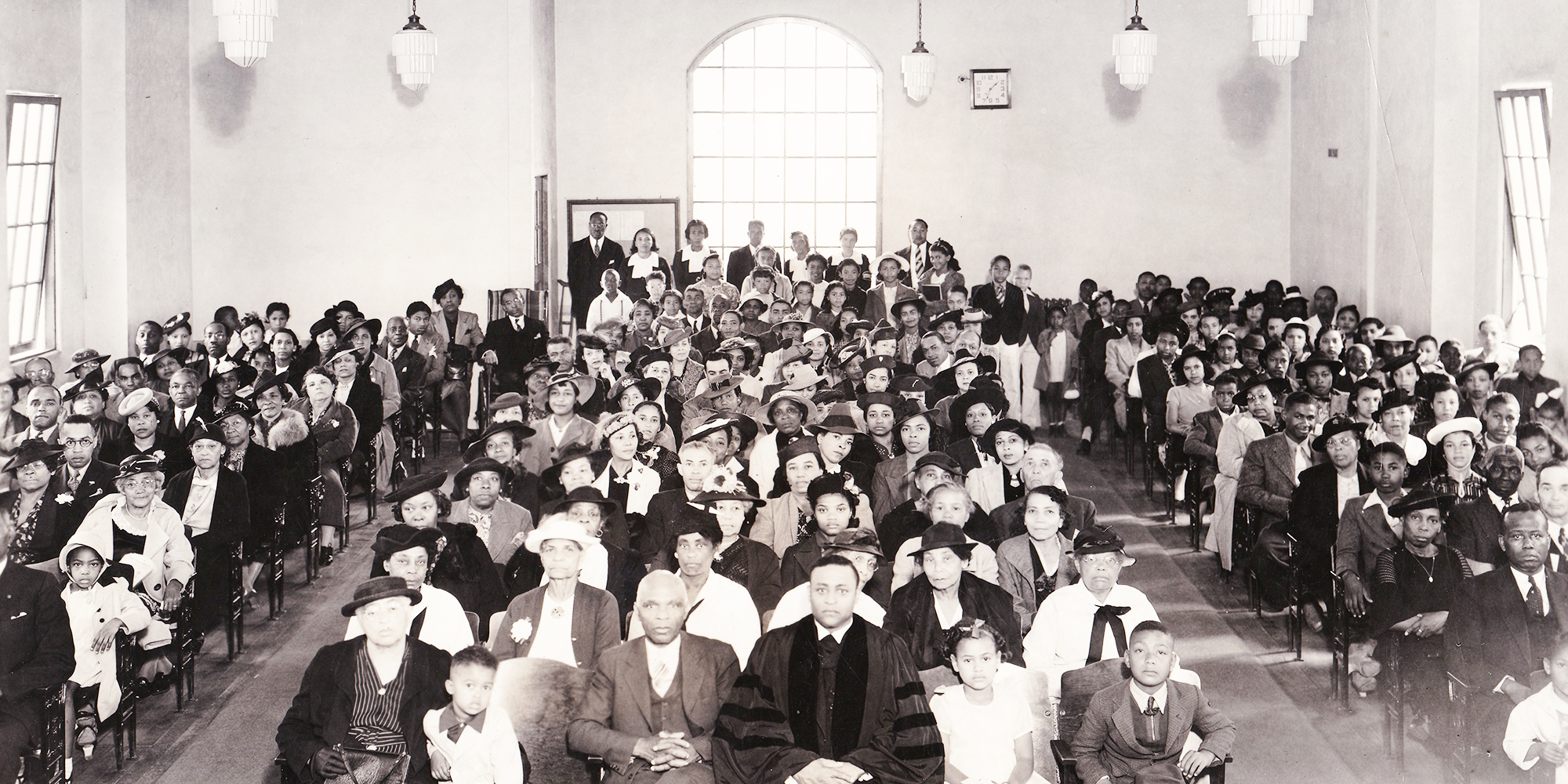
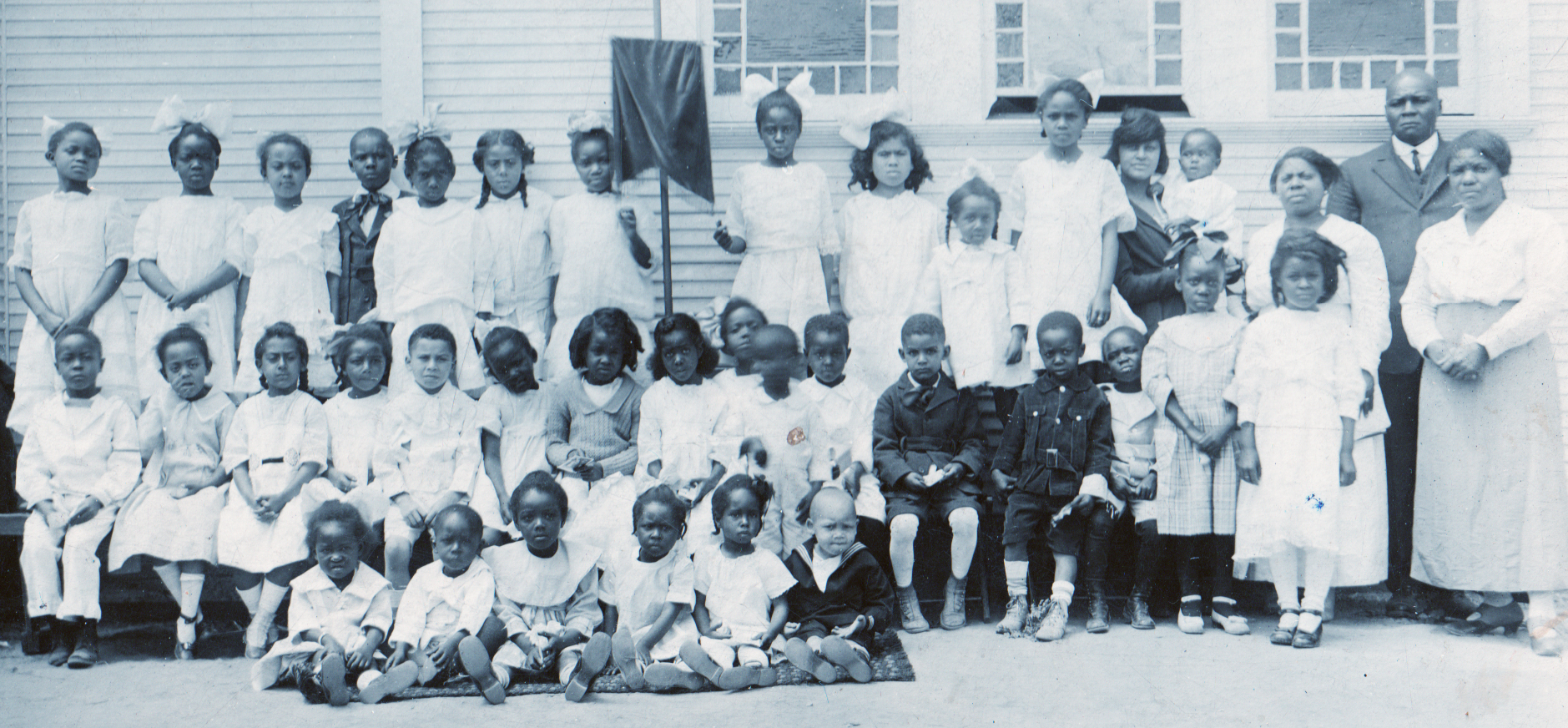
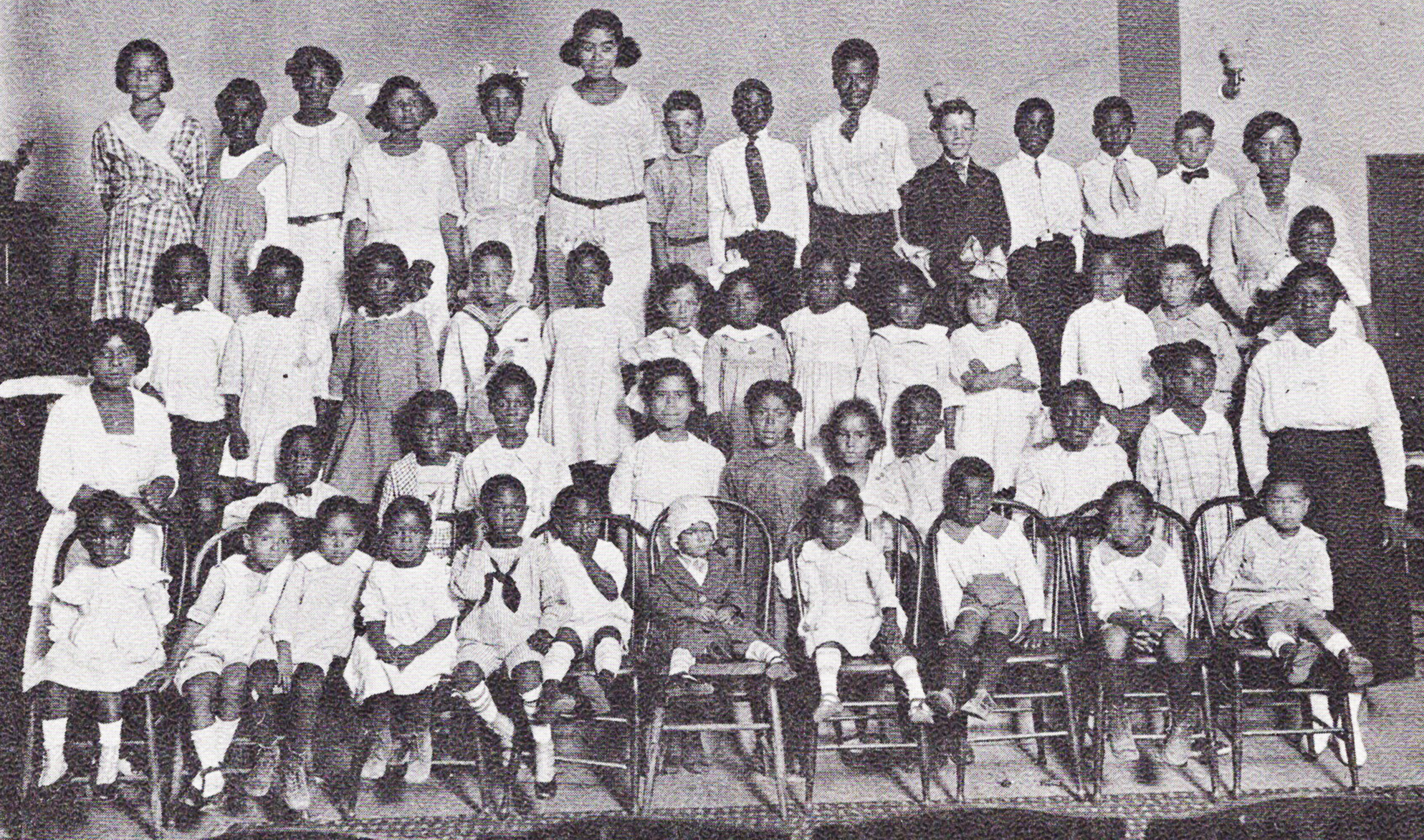
Trinity Baptist Church grew out of a Sunday School that began in June 1917 in Normandie Hall, then located at Normandie Avenue and Jefferson Boulevard, with fifteen children and three adults. The three adults were Mrs. Mary Porter, Mrs. Willa E. Williams, and Rev. Archie J. Williams. Rev. Williams was elected superintendent and served in this capacity until the church was formed five months later.
Trinity was officially organized on the afternoon of Sunday, November 11, 1917. In addition to those attending Trinity’s Sunday School, pastors and members from several community churches were present when the church was established. Among these were Tabernacle Baptist Church (Rev. J. D. Gordon, pastor), Mount Zion Baptist Church (Rev. F. H. Davis, pastor), and Friendship Baptist Church in Watts (Rev. A. O. Ramsey, pastor). Reverends J. D. Gordon served as moderator, and A. O. Ramsey was secretary at the official organization. Other ministers in attendance included Reverends A. Lively, W. H. Gozier, and Archie J. Williams.
When Rev. Williams was asked to give the church a name, he decided on Trinity Missionary Baptist Church. Four persons became members of Trinity with letters on that day: Mrs. Helen Smith was given her letter from Tabernacle; Miss Ethel Walton borrowed her letter from Pleasant Hill; Mr. A. Luther was given his letter from St. Paul; and Mrs. Mary Porter already had her letter. Once the letters were accepted, the church was officially organized. Rev. Archie J. Williams was called as Trinity’s first pastor, and the following persons were named as officers: Deacon A. Luther, chairman of the Deacon Board; Mrs. Mary Porter, church clerk; Mrs. Helen Smith, treasurer; Mrs. Willa Williams, superintendent of the Sunday School; Miss Meredith Carter, secretary of the Sunday School.
The following year, a lot at West 36th Street and Normandie Avenue was purchased from Mrs. Mary C. Martin of South Hollywood. Services were held in a small house on the property for a year. Later, a church building, located at 15th Street and Santa Fe Avenue, was purchased from the Los Angeles Trust and Savings Bank for $250.00 cash. The Kress House Moving Company charged $700.00 to move the building to the church property on West 36th and Normandie, but the building had to be moved in stages. When Kress House moved the church building to Washington Boulevard and Grand Avenue on the first night, this caused quite a stir in the city. On the next day, a Los Angeles newspaper reported: “Somebody was kind enough to bring a church building to the baseball park. The Los Angeles team was playing the Portland team and was losing, but when they remembered that somebody had brought the team a church, the Los Angeles boys rushed into the church and prayed and then sent the Portland team home defeated.”
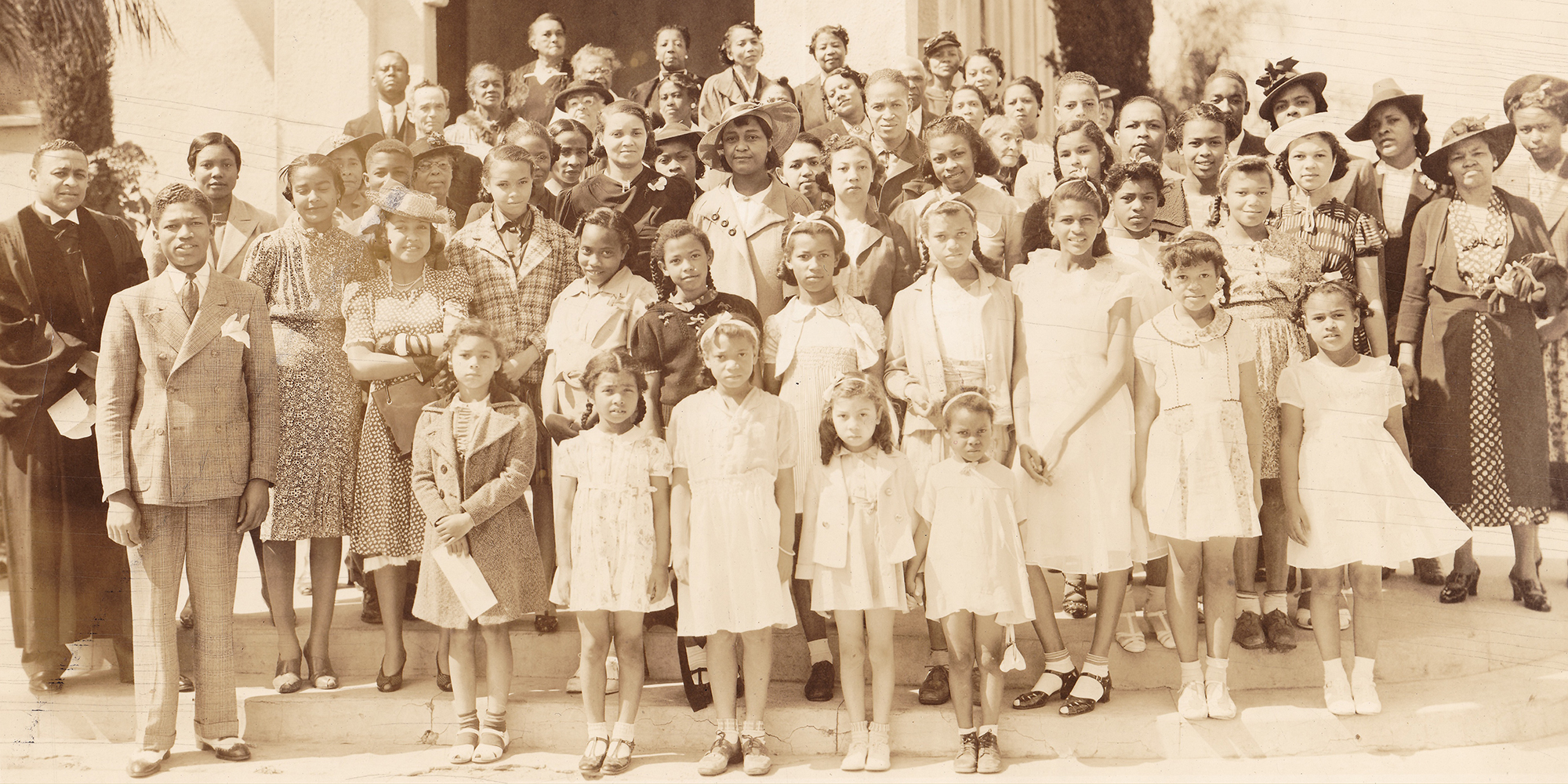
Trinity thrived during her first year. On the third Sunday in November 1918 (the Sunday following the signing of the Armistice), the church had exactly 100 members. At the meeting of the Western Baptist Association in San Diego in 1918, Trinity had one of the largest Sunday Schools from the Los Angeles area. When the congregation moved into the new building in 1919, Rev. John H. Eldridge was elected assistant pastor. In the following year, February 1920, Rev. Williams resigned, having served as pastor two years and eight months. His pastorate was short but memorable. Some of the church members during this period included Evelyn Eldridge, Beatrice Hammond, Roberta and Bassie Hardiman, Minnie Johnson, Jeanne and Lettitia Patrick, Mrs. Porter’s family, and the Smith family.
